An Experience Like No Other
While there are thousands of camps in the United States. JRC stands above and apart. JRC’s specialty is grounded in what our program builds. JRC has almost 100 years of creating a real community in a real place, with real opportunities, and supporting real children as they discover their own potential.
Parents consistently report that their children are more independent, seem more confident, and are better self-advocates after a summer at JRC. Pair this with our 86% average return rate, and we call that a success!
If you are looking for a camp that will not only show your child how exceptional, brave, resilient, and capable they are, but one where their spirits come home enriched, we want to meet your family. If you want your child to feel welcomed, looked for, and known, JRC is your camp. We can’t wait to meet you.

What is a Summer Worth?
Summer camp tuition is significant. Every family that makes this decision deserves a clear-eyed account of what they are paying for, not just the activities, not just the meals, and not just the two weeks of round-the-clock care. Here is the honest answer:
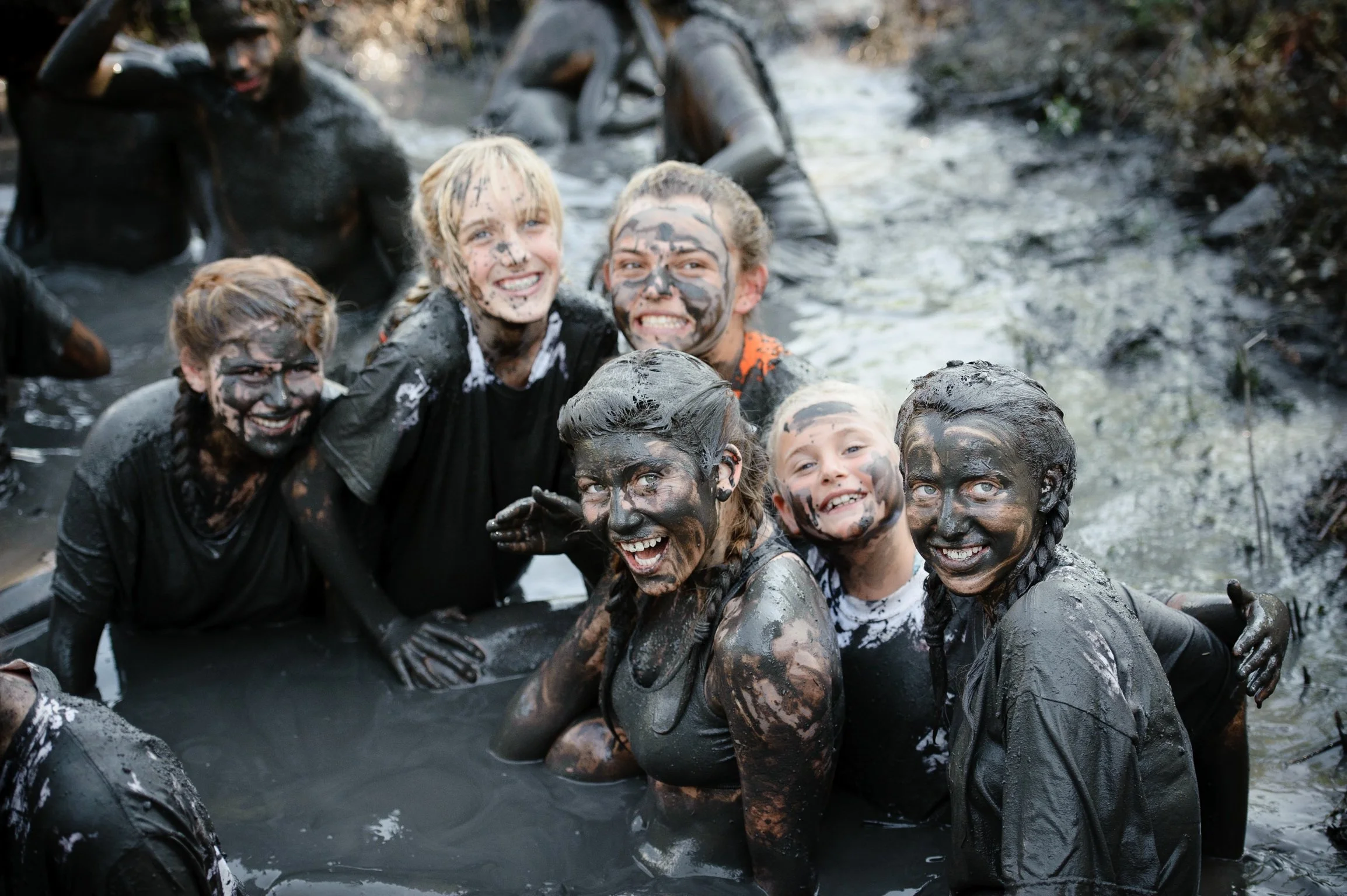
You are investing in the construction of your child. A child who has spent two weeks in nature, the one who has fed the chickens before breakfast, climbed that rock face they were afraid of, written letters home by hand, built a fire, made a friend from a city they had never heard of, and stayed up late talking about things close to their heart, and forgot to miss screentime is intrinsically different than the one who arrived. And this happens year after year, compounding the friendships, the campfire nights, the views from Sunday Peak, and a lifetime of inner strength,
Camp is the journey. The activities are the vehicle.
The person your child becomes is the destination.

Skills That Grow
The outcomes of a JRC summer extend beyond the session. Like knowledge, they compound.
A child who has worked through genuine fear at camp does not stop encountering fear when they go home. They encounter it with a different internal monologue, one that includes the knowledge that they have done hard things before.
A child who has contributed to a functioning community understands responsibility and belonging in a way that is hard to replicate. A child who has spent two weeks without a device and discovered that they can be interesting, capable, and socially connected without one carries that knowledge forever.
These are not soft outcomes. They are the building blocks of the qualities that families consistently name when they are asked what they most want for their children: resilience, independence, confidence, and the ability to navigate the world without losing their way.