THE JRC STORY
The story of Jameson Ranch Camp begins not with a business plan but with a belief: that young people, given real work, real land, and real community, will rise to meet it.
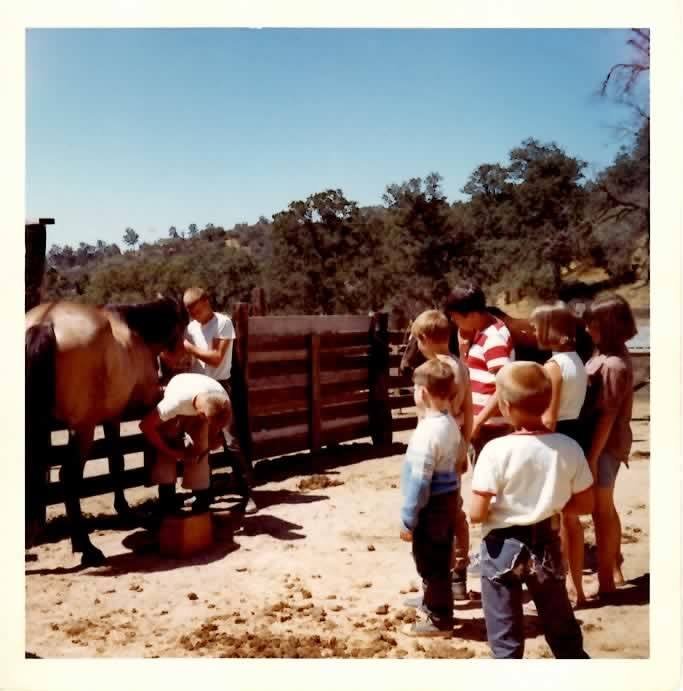
In the early 1930s, Roderick Jameson petitioned local authorities to place boys facing juvenile detention into a program he ran with his sister, Virginia, on Tejon Pass near Bakersfield. He was a UC Berkeley graduate born and raised in and around Glennville, from a family whose roots in Kern County ran to his great-grandfather, the first white settler in the area. Roderick taught poetry, trap-lining, tracking, hunting, horsemanship, gardening, and basic auto repair. Virginia taught academics. The idea was simple: give young people something real to do, with someone who believed in them, and watch what happens.
The program moved to the Greenhorn Mountains of the southern Sierra Nevada, near Roderick’s birthplace. On that same mountain, a Campfire Girls camp was operating, run by a UCSD graduate named Catherine Fowler. Roderick met Catherine. The romance that followed led to their marriage in 1940 and the purchase of the homestead that Rod’s grandfather, Henry Bohna, had originally claimed, a property in Bohna Creek Canyon that has been Jameson Ranch Camp ever since.
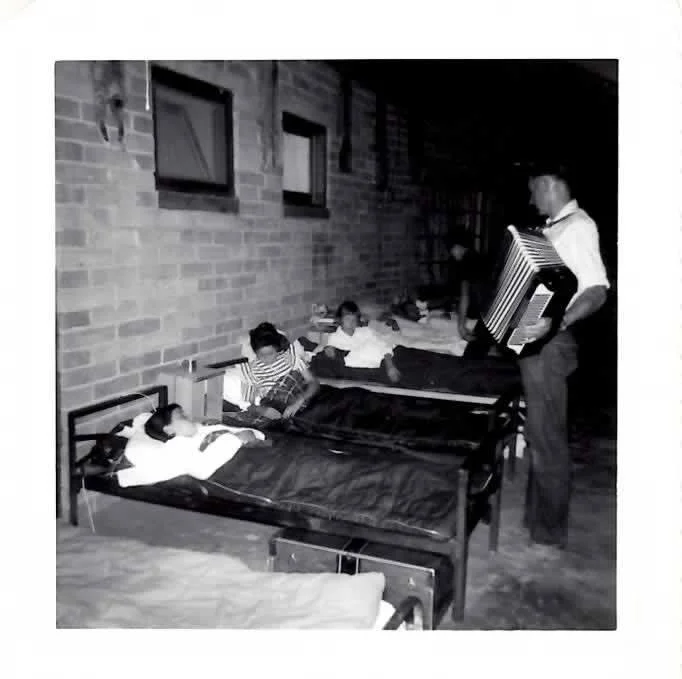
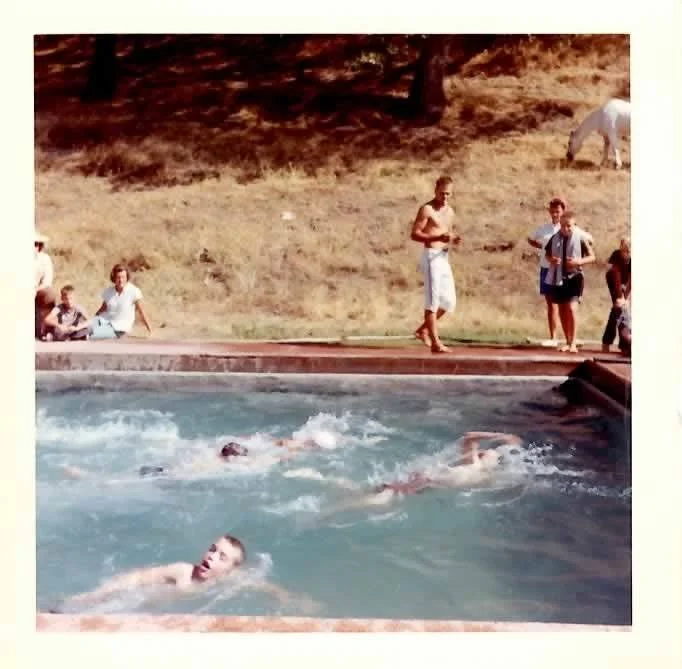
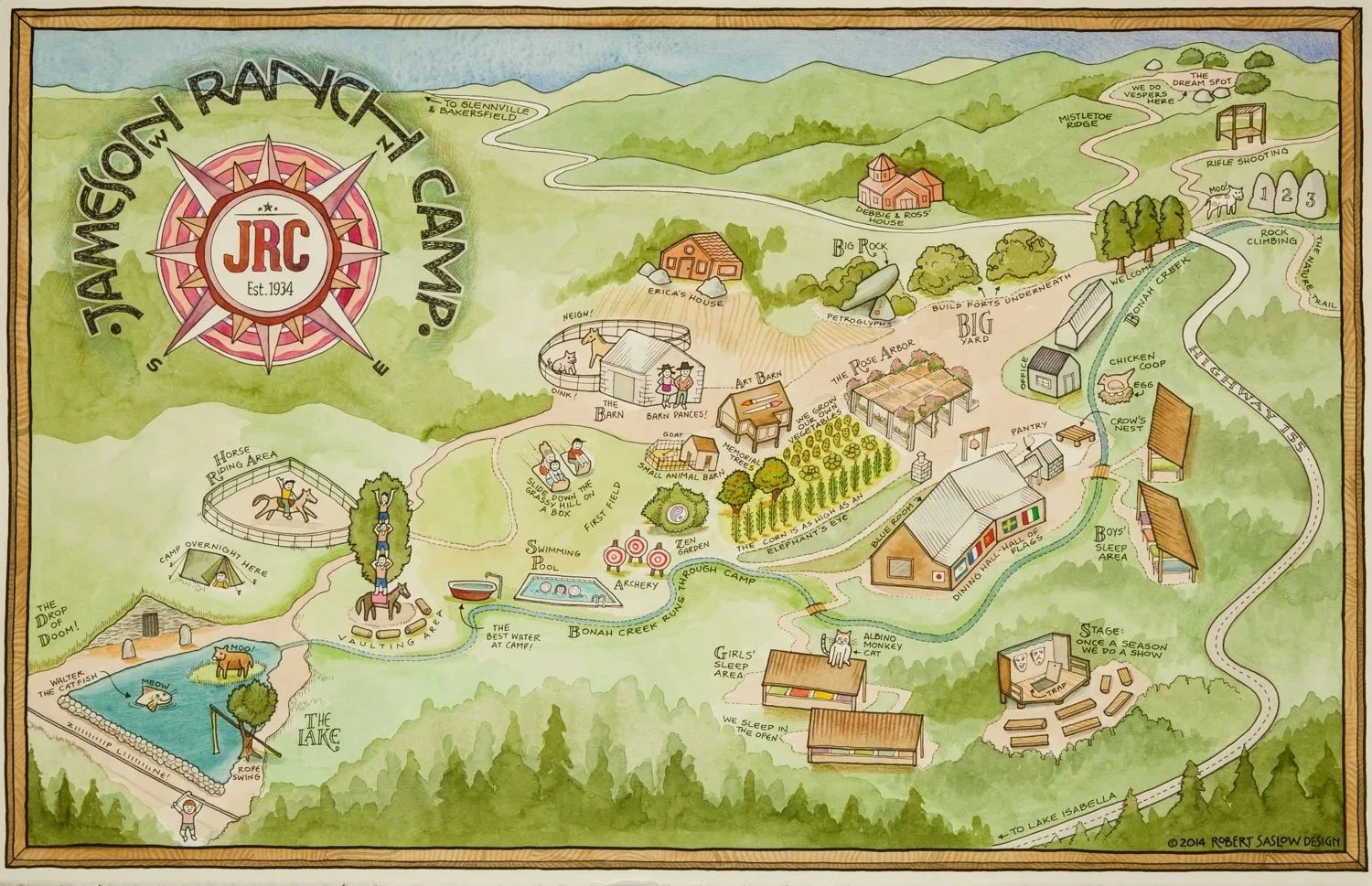
Together, Roderick and Catherine converted the operation from a year-round reformatory program into a summer camp focused on ranch work, horsemanship, and outdoor life. The Ranch House, the barn, the shop, the lake, the pool, virtually every structure on the property, was built by the Jameson family, their staff, and their campers, using bricks made on-site from a brick-making machine that still stands on the property today. It is not a footnote. It is the defining physical fact of the ranch: everything here was made by the people who believed in it.
Roderick and Catherine raised three children on the ranch: Connor, who became a world-renowned dairy veterinarian; Marla, a California Teacher'’ Association Representative of significant standing in her region; and Ross, who would carry the camp into its second generation.
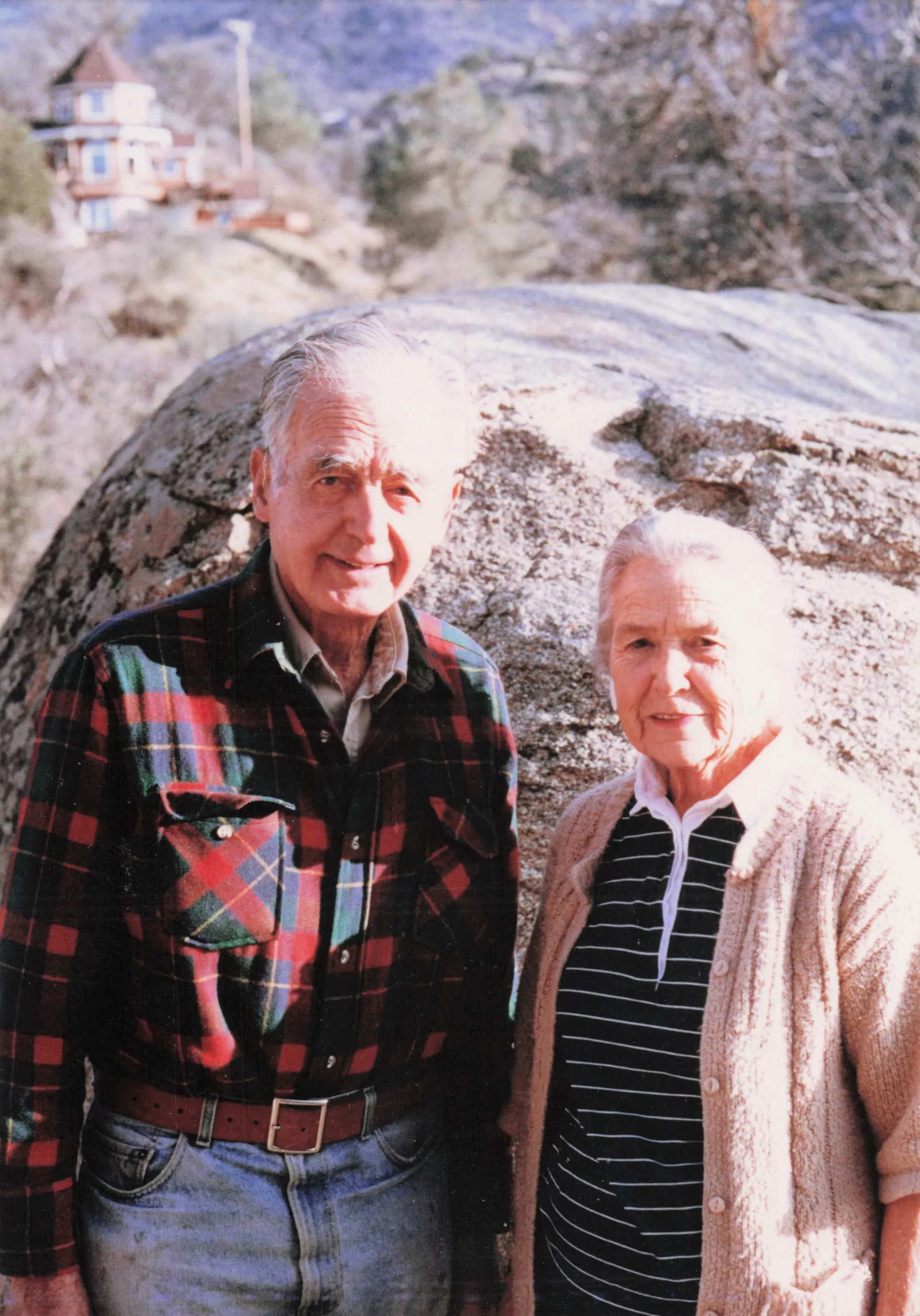
Roderick and Catherine Jameson
The Second Generation: Ross and Debby
Ross Jameson grew up on the ranch — literally, inside what is now the camp. He took over as director with his wife, Debby, in 1979, and what followed was a decades-long transformation of a spare work-and-ride program into the richly layered, philosophically grounded institution JRC is today.
Ross and Debby added mountain biking, rock climbing, mountain boarding, archery, kayaking, canoeing, the CIT program, Trenting, and the traditions of Pony Express, Barn Dance, the Pinecone Ceremony, and Vespers. They developed the staff training model that replaced Roderick's straightforward rules-reading with a week of structured professional instruction. They cultivated a culture of inclusion — drawing in part on their own experience adopting five children — that made JRC a place where every camper could belong.
Ross met Debby in a production of Oklahoma at Chico State. This might be why the camp has sung "Oh, What a Beautiful Morning" before breakfast every day for decades. It is also why John Denver's "Farewell Andromeda" closes every single evening, regardless of who is leading the songs. Some traditions survive because they work. Some survive because they are, simply, the right ones.
Ross and Debby raised their five children on the ranch: Erica, Mia, Jeremy, Michael, and Arianna.
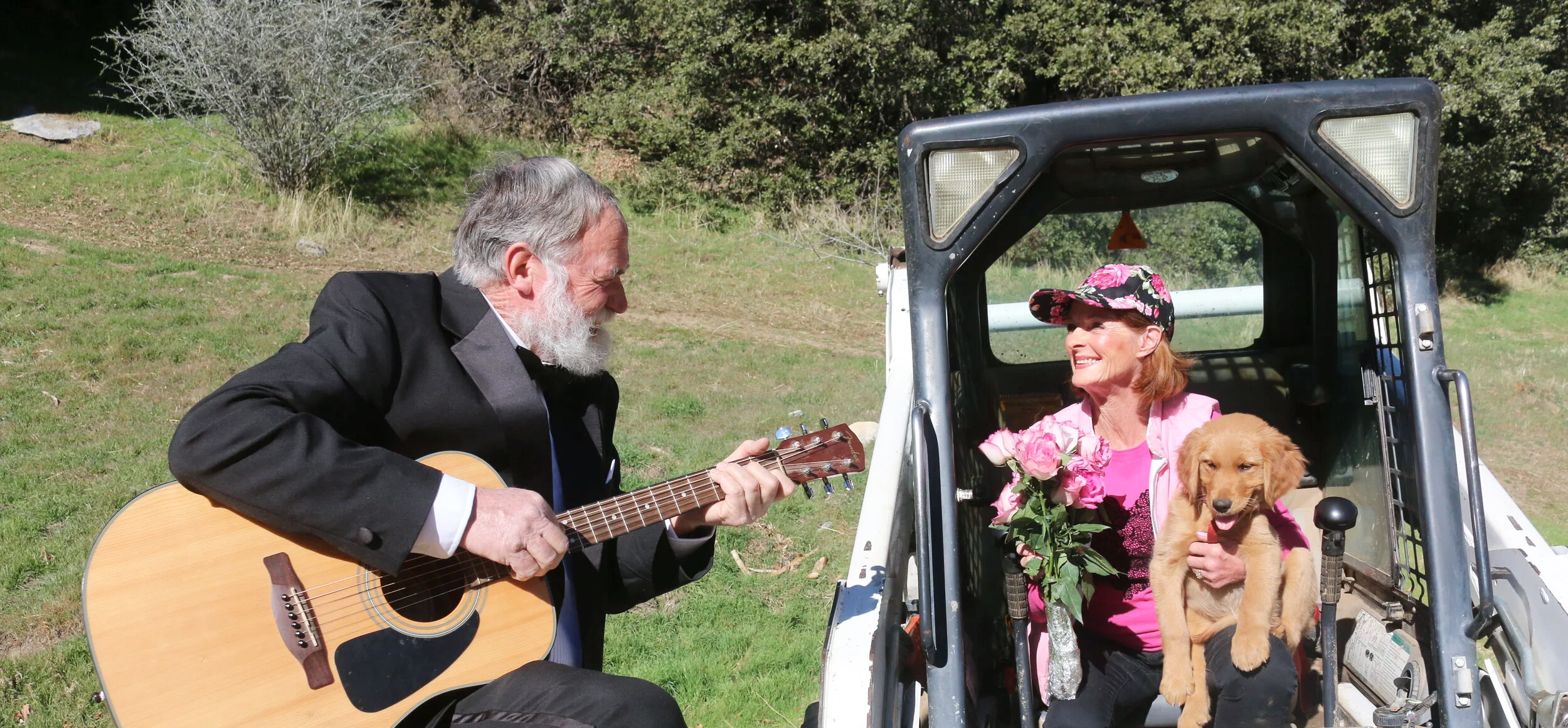
Ross and Debby Jameson
The Third Generation: Erica
Erica Jameson has been directing JRC since 2011. She grew up in the canyon, in the cabin that is now the Assistant Director's residence, and carries the institutional memory of the camp in the way that only someone who has lived it from childhood can.
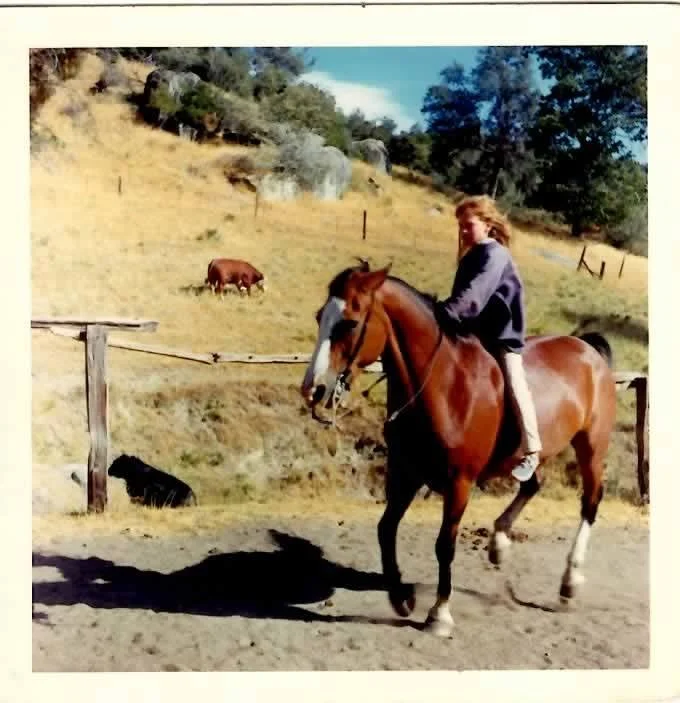
Under Erica's direction, JRC has added the darkroom revival, expanded horsemanship programming, deepened the camp's commitment to inclusivity and gender-affirming practices, and begun the work of codifying ninety-one years of oral institutional knowledge into written form. She has also worked to strengthen JRC's year-round relationship with camper families; understanding that the community camp builds does not end when the session does.
She gives the Canter Test. She tells stories in Rose Arbor. She leads the science lesson when camp butchers beef on Tuesday nights. She is, in the fullest sense of the phrase, a Jameson Ranch Camp director.
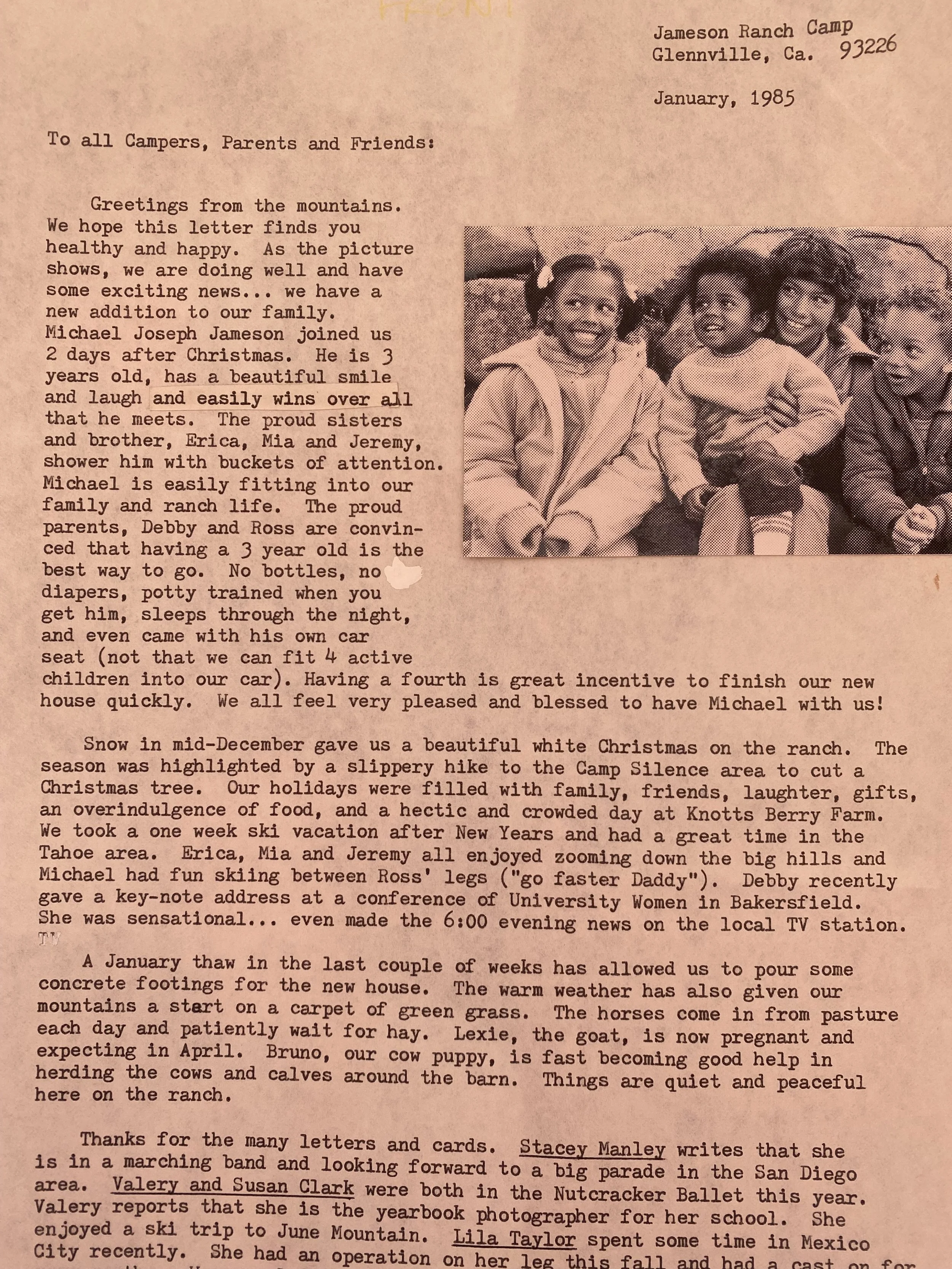
Mia, Michael, Erica, and Jeremy